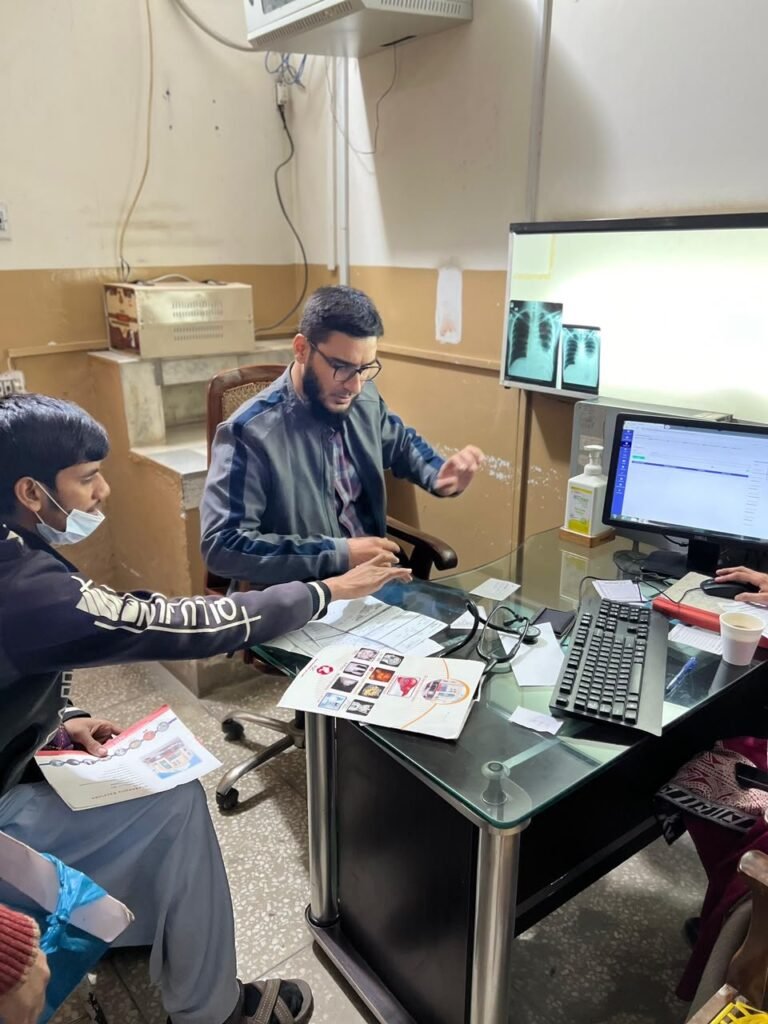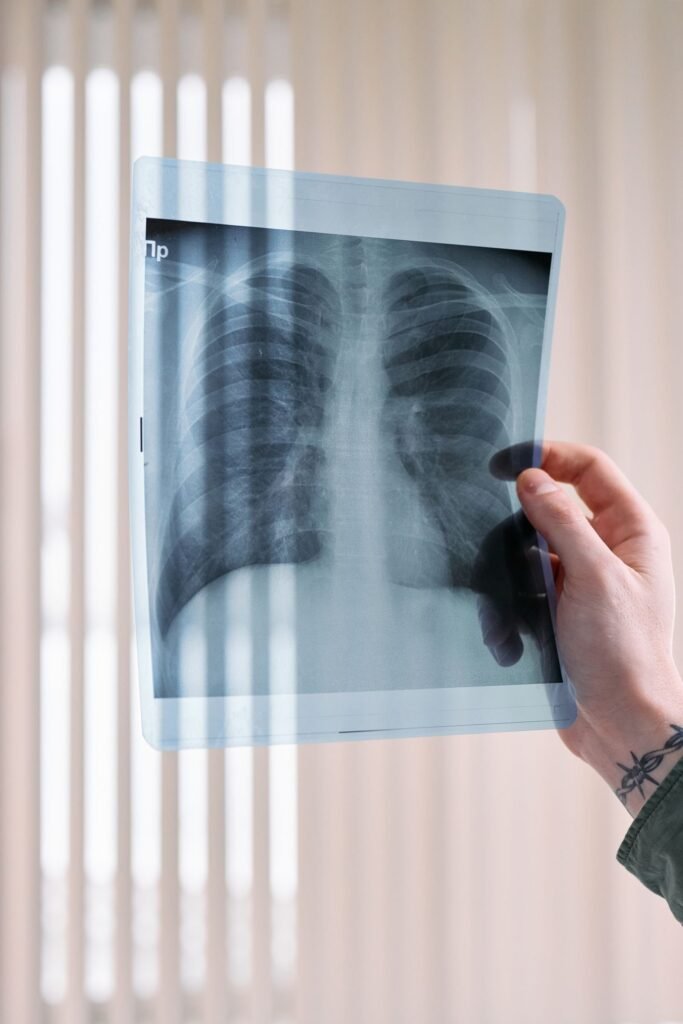
Asthma is a long-term condition in which the airways become swollen and narrow. It causes wheezing, cough, chest tightness and breathlessness. It can start in childhood or later in life, and with the right treatment most people with asthma live normal, active lives.
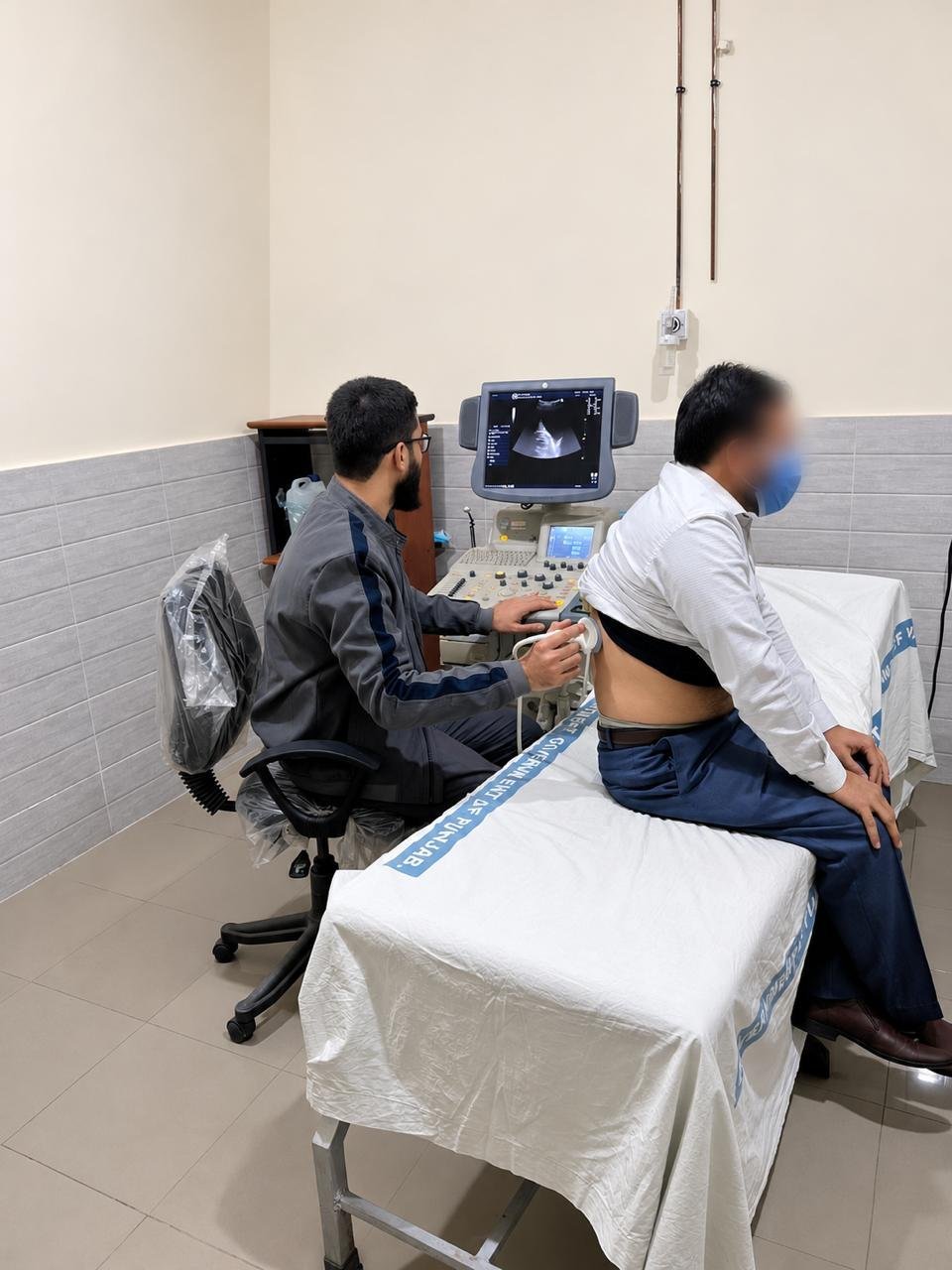
Common symptoms
- Wheezing, a whistling sound when breathing out
- Cough, often worse at night or early morning
- Chest tightness
- Shortness of breath, especially during exercise or in cold air
Common triggers in Pakistan
- Dust, especially during house cleaning and in dusty weather
- Smoke from cigarettes, hookah, wood or dung fires and traffic
- Seasonal change and cold air
- Pollen and allergies
- Strong smells, perfumes and sprays
- Chest infections such as cold and flu
Two kinds of inhalers
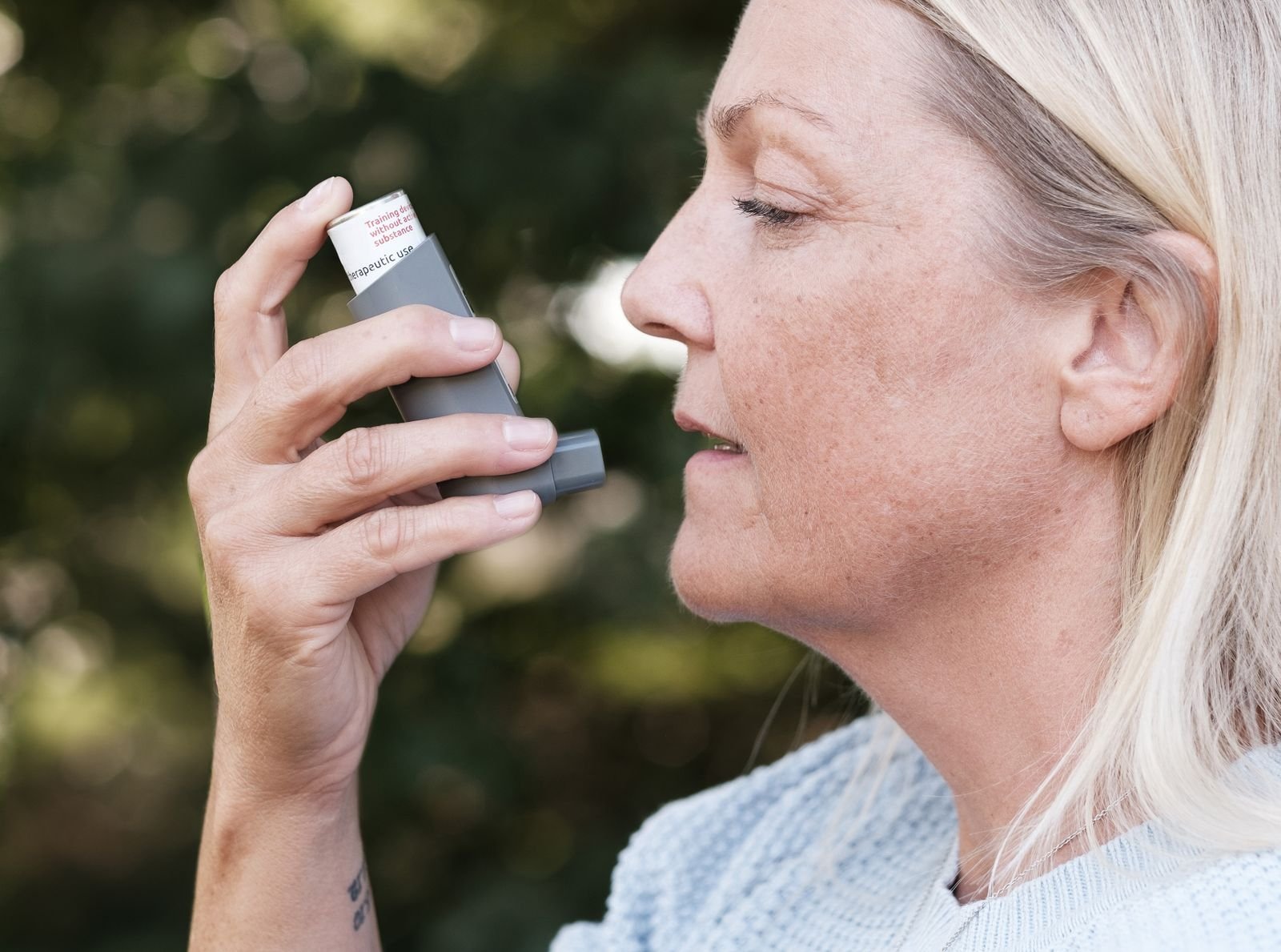
Reliever inhaler (usually blue) opens the airways quickly during an attack. Controller inhaler (steroid inhaler) is used every day to reduce swelling in the airways and prevent attacks. Many patients stop the controller when they feel well, which is why attacks return. Take it exactly as your doctor advises.
Using your inhaler correctly
A large part of the medicine is wasted if the inhaler is not used correctly. Ask your doctor to check your technique at every visit. Using a spacer makes it easier and more effective.
Signs your asthma is getting worse
- You need your reliever inhaler more than usual
- Night-time cough or waking up breathless
- Difficulty speaking in full sentences
- Breathing that does not improve with your reliever
If you have severe breathlessness, blue lips or cannot speak, go to the emergency department immediately.
Living well with asthma
- Know and avoid your triggers
- Never stop controller medicine without advice
- Quit smoking and avoid smoke
- Get your flu vaccine
- Follow up regularly so your treatment can be adjusted
This article is for general information. It does not replace a consultation with a doctor. If you have symptoms, please book an appointment.