Almost everyone gets a cough now and then. Most coughs from a cold or flu go away within one to two weeks. But when a cough keeps going for more than three weeks, it needs proper attention. A long-lasting cough is one of the most common reasons people visit a chest specialist (pulmonologist).

Why does a cough last so long?
A persistent cough is a symptom, not a disease. The cause can be in the lungs, the nose and throat, or even the stomach. Common causes include:
- Asthma, often with night-time cough or wheezing
- Allergy and post-nasal drip
- Chest infection or pneumonia that has not fully healed
- Tuberculosis (TB), especially with fever, night sweats or weight loss
- COPD, common in smokers and people exposed to smoke or dust
- Acid reflux
- Side effects of some blood pressure medicines
Warning signs: see a doctor soon
Do not wait if your cough comes with any of these:
- Coughing up blood or blood-stained phlegm
- Fever lasting more than a week, or night sweats
- Unexplained weight loss or loss of appetite
- Shortness of breath or wheezing
- Chest pain
- Cough for more than 8 weeks, or a cough that keeps coming back
What will the doctor do?
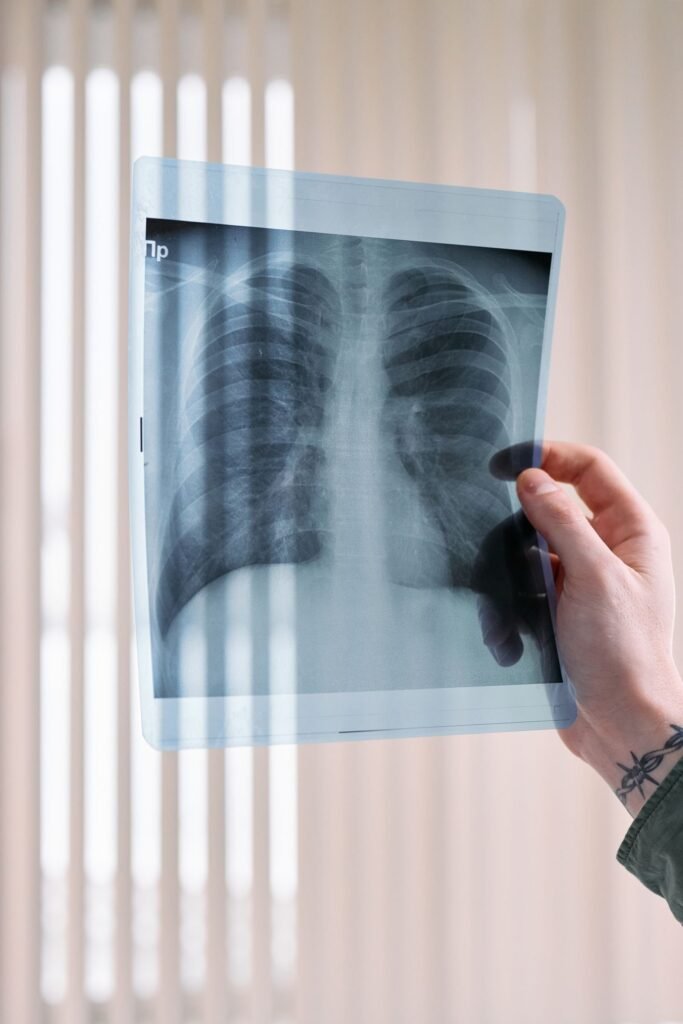
A chest specialist will ask about your symptoms, smoking history and work environment, and examine your chest. Depending on the findings you may need a chest X-ray, a sputum test, blood tests or a lung function test. Treatment depends on the cause, so taking cough syrup alone for weeks is not a solution.
What you can do at home
- Stop smoking, including hookah and vaping, and avoid smoky places
- Drink warm fluids and rest
- Keep your bedroom dust-free
- Do not take antibiotics on your own. They do not help if the cause is not bacterial
When to book an appointment
If your cough has lasted more than three weeks, or you notice any warning sign above, book a consultation. Finding the cause early makes treatment simpler and faster.
This article is for general information. It does not replace a consultation with a doctor. If you have symptoms, please book an appointment.