Tuberculosis (TB) is a bacterial infection that most often affects the lungs. It spreads through the air when a person with lung TB coughs. TB is curable, but it needs a full and regular course of medicines.
Symptoms of lung TB
- Cough lasting more than 2 to 3 weeks
- Coughing up phlegm or blood
- Fever, especially in the evening
- Night sweats
- Loss of weight and appetite
- Tiredness and weakness
- Chest pain or breathlessness
TB can also affect other parts of the body, including the glands, the bones and the lining around the lungs (pleura).
How is TB diagnosed?
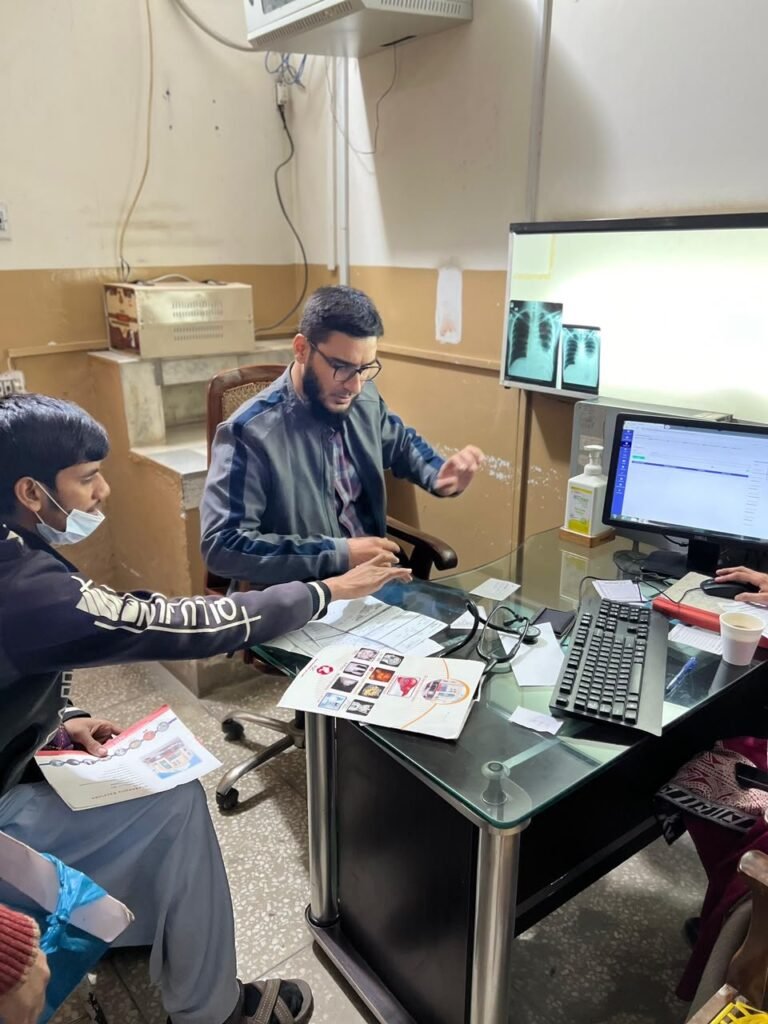
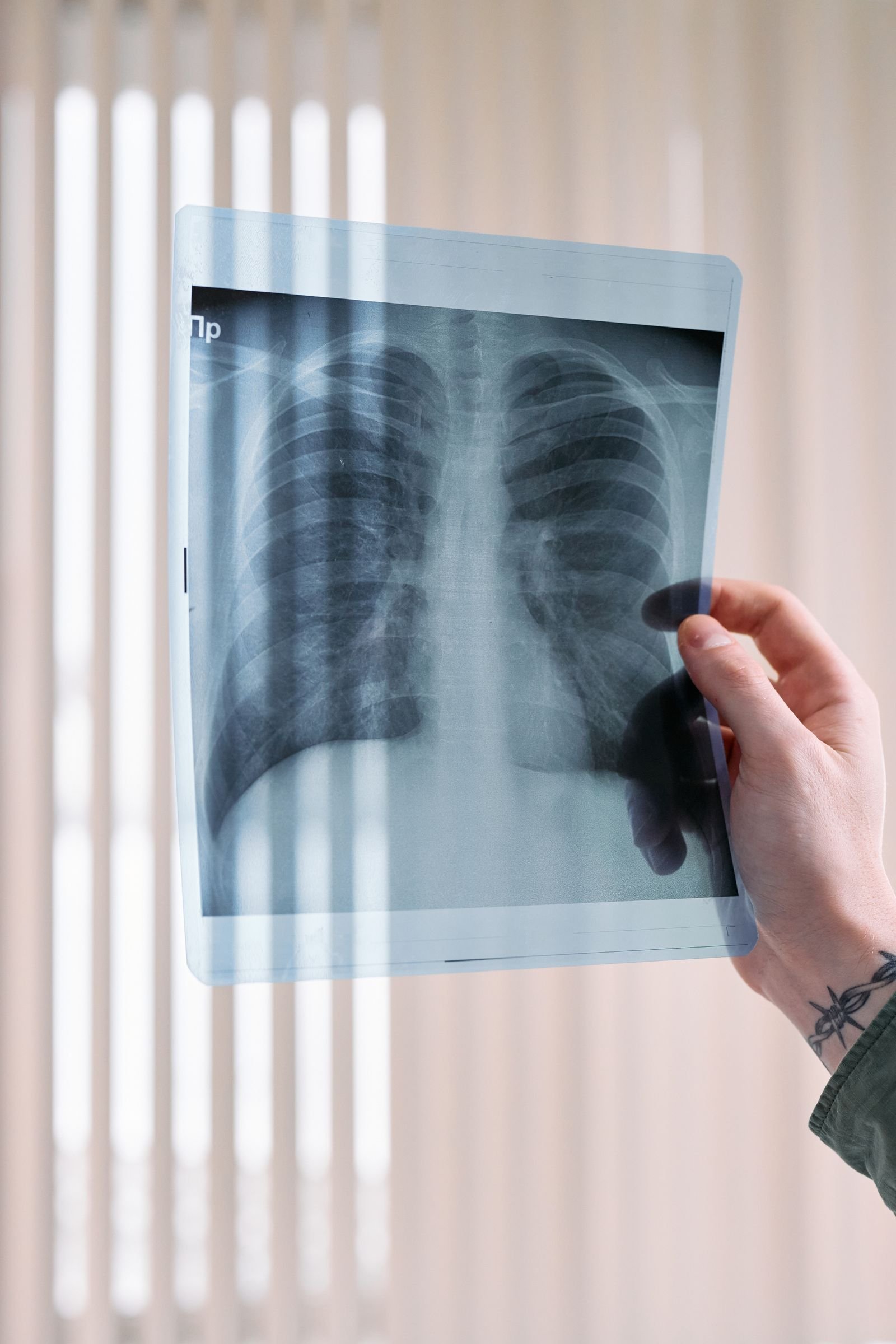
Your doctor may ask for a sputum test, a chest X-ray and sometimes other tests such as a CT scan or pleural fluid test. In some cases a bronchoscopy is done to take a sample from the airways. A chest specialist will decide which tests you need.
Treatment
TB treatment uses a combination of medicines taken every day for at least six months. You may feel better after a few weeks, but the bacteria are still alive. Stopping medicines early allows the bacteria to survive and become resistant, which makes TB much harder and longer to treat.
Tips during treatment
- Take medicines at the same time every day
- Do not skip doses or stop without your doctor’s advice
- Eat well and avoid smoking and alcohol
- Cover your mouth when coughing and keep rooms ventilated
- Attend all follow-up visits
- Family members living with you should be checked
When to see a doctor
If you have a cough for more than two to three weeks, fever, night sweats or weight loss, see a chest specialist without delay.
This article is for general information. It does not replace a consultation with a doctor. If you have symptoms, please book an appointment.