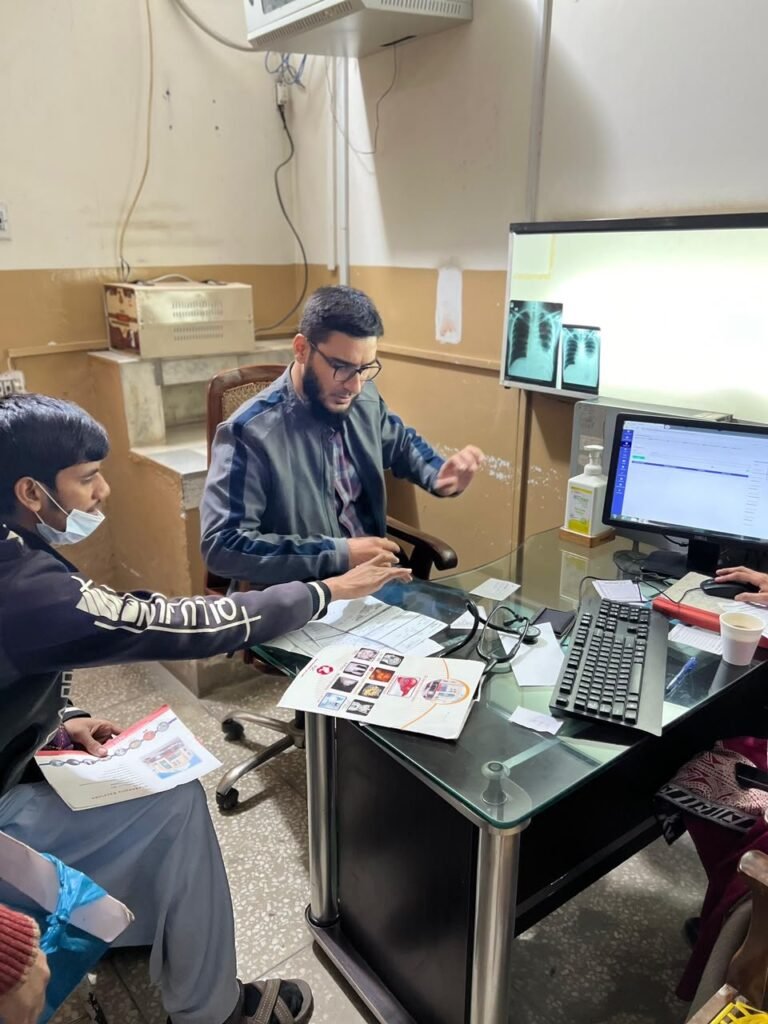
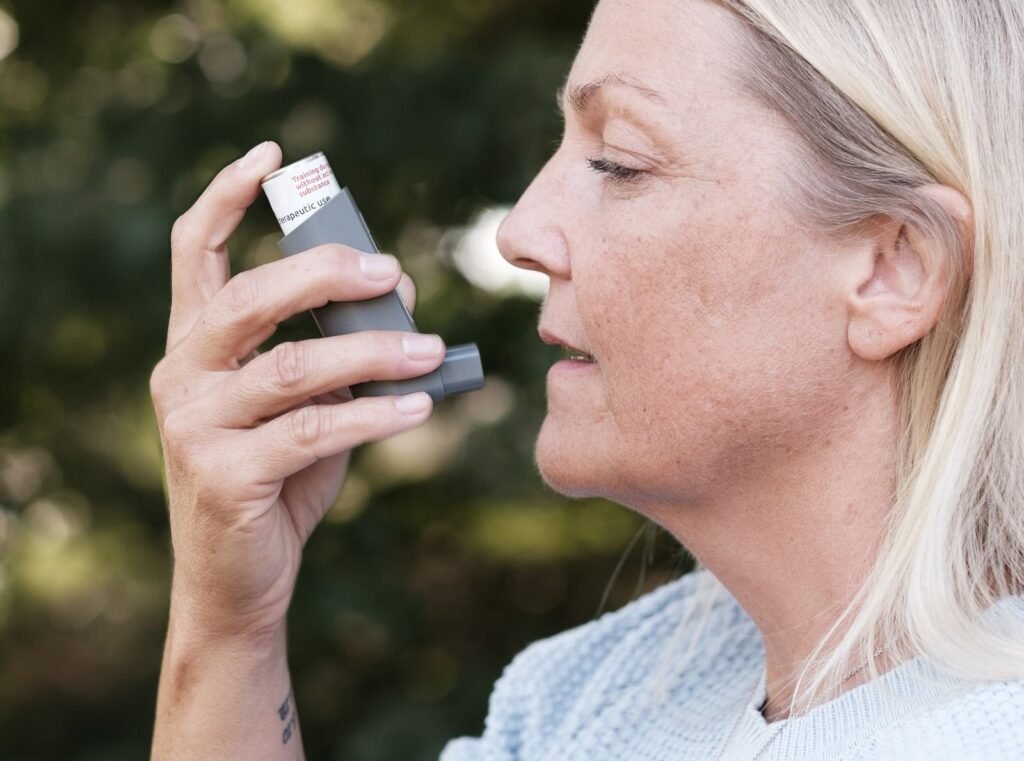
Bronchoscopy is a procedure in which a thin, flexible tube with a camera (a bronchoscope) is passed through the nose or mouth into the airways. It lets a lung specialist see inside the windpipe and the large airways of the lungs, and take samples when needed.
Why is bronchoscopy done?
- A cough that will not go away or coughing up blood, when the cause is unclear
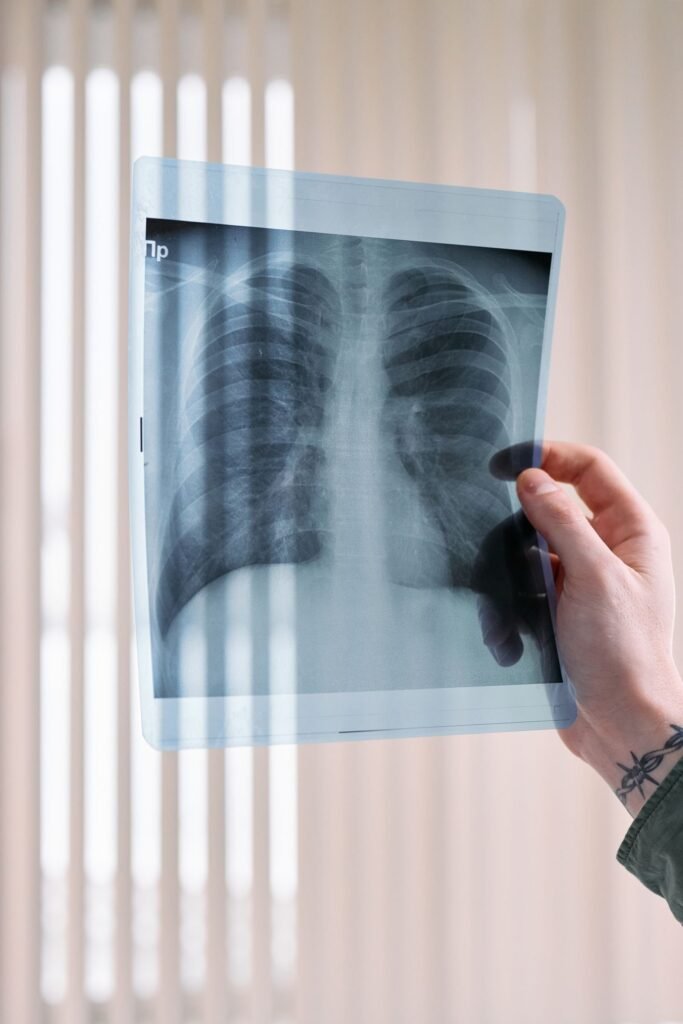
- An abnormal chest X-ray or CT scan, such as a shadow or collapsed lung
- To take samples (biopsy or washings) to check for infection, TB or cancer
- To remove mucus plugs or a foreign object from the airways
- To assess a narrowing or bleeding in the airway
How to prepare
- Do not eat or drink for 6 to 8 hours before the procedure, as advised by your doctor
- Tell the doctor about your medicines, especially blood thinners, and any allergies
- Bring your recent X-rays, CT scans and reports
- Arrange for someone to accompany you home
What happens during the procedure
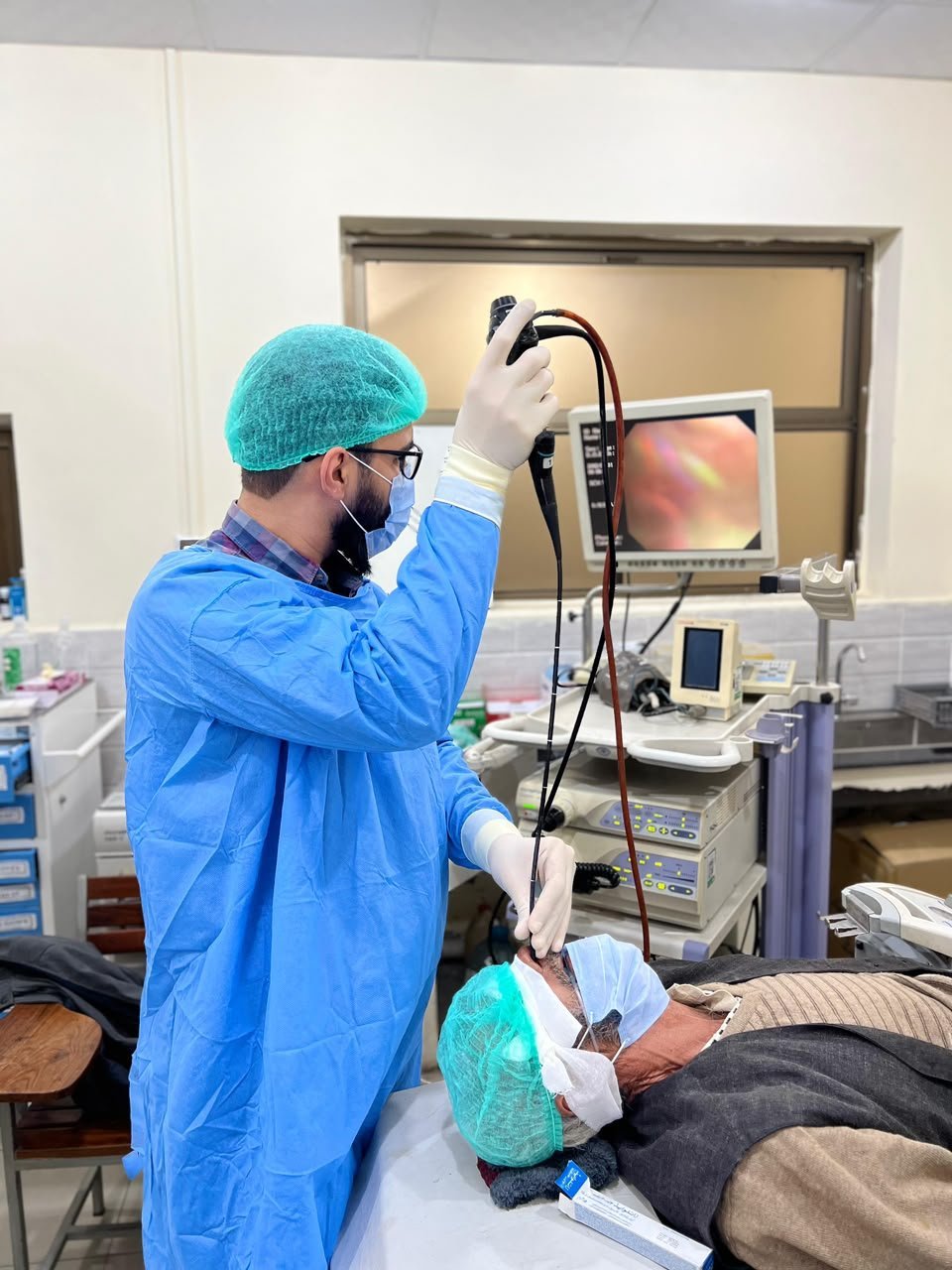
The throat and nose are numbed with a spray or gel, and you may receive a mild sedative to keep you relaxed. The doctor gently guides the bronchoscope into the airways while watching on a screen. The procedure usually takes 15 to 30 minutes. You can breathe normally throughout.
After the procedure
- Your throat may feel sore and you may cough for a day or two
- Small streaks of blood in the phlegm can happen, especially after a biopsy
- Do not eat or drink until the numbness wears off, usually 1 to 2 hours
- Rest for the day and avoid driving if you were sedated
When to call the doctor
Contact your doctor or go to the emergency department if you have heavy bleeding, severe chest pain, difficulty breathing or a high fever after the procedure.
Is bronchoscopy safe?
In experienced hands it is a safe and commonly performed procedure. Serious complications are uncommon. Your chest specialist will explain the benefits and risks for your case before the procedure.
This article is for general information. It does not replace a consultation with a doctor. If you have symptoms, please book an appointment.