Chronic obstructive pulmonary disease (COPD) is a long-term lung disease that makes it hard to breathe out. It includes chronic bronchitis and emphysema. COPD develops slowly over many years, so many people ignore the early signs and think they are just “getting old” or have a “smoker’s cough”.
Common symptoms
- Daily cough, often with phlegm, especially in the morning
- Shortness of breath when walking, climbing stairs or doing housework
- Wheezing or chest tightness
- Frequent chest infections
- Tiredness and reduced ability to do daily activities
What causes COPD?
The main cause is smoking, including cigarettes, hookah and bidis. Long-term exposure to smoke from wood or dung cooking fires, dust and fumes at work, and air pollution can also cause COPD, which is why it is seen in non-smokers too.
How is COPD diagnosed?
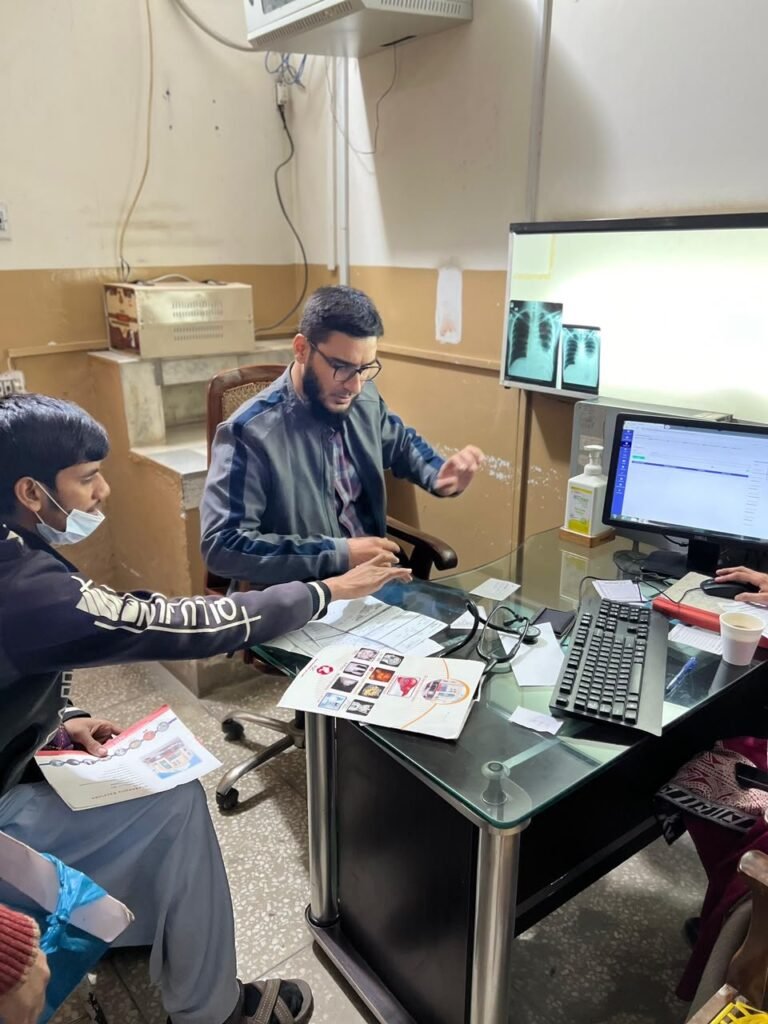
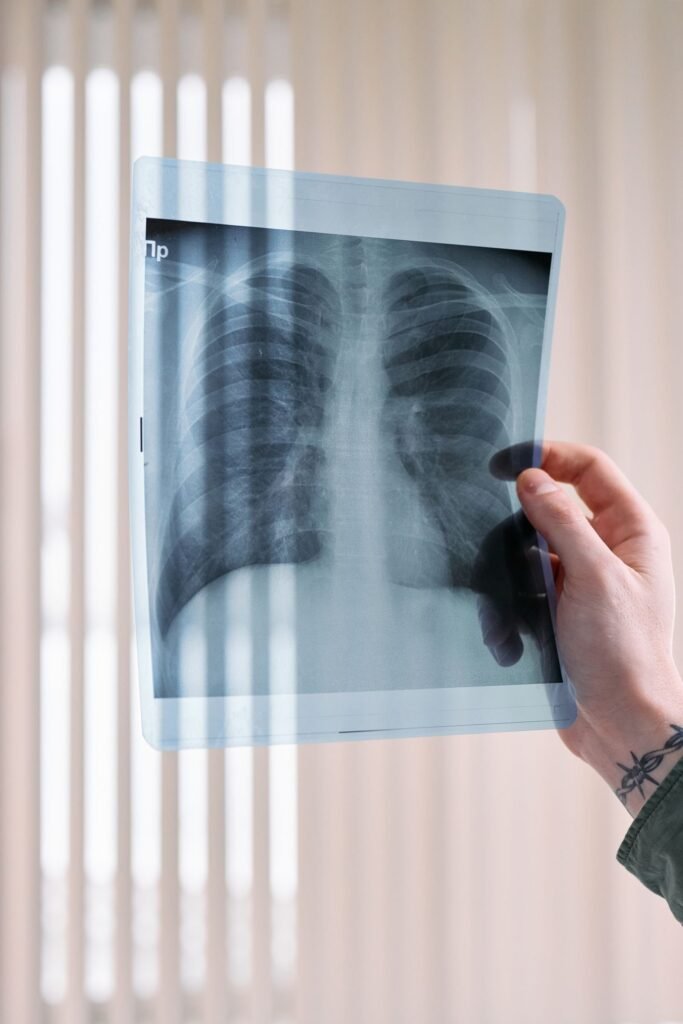
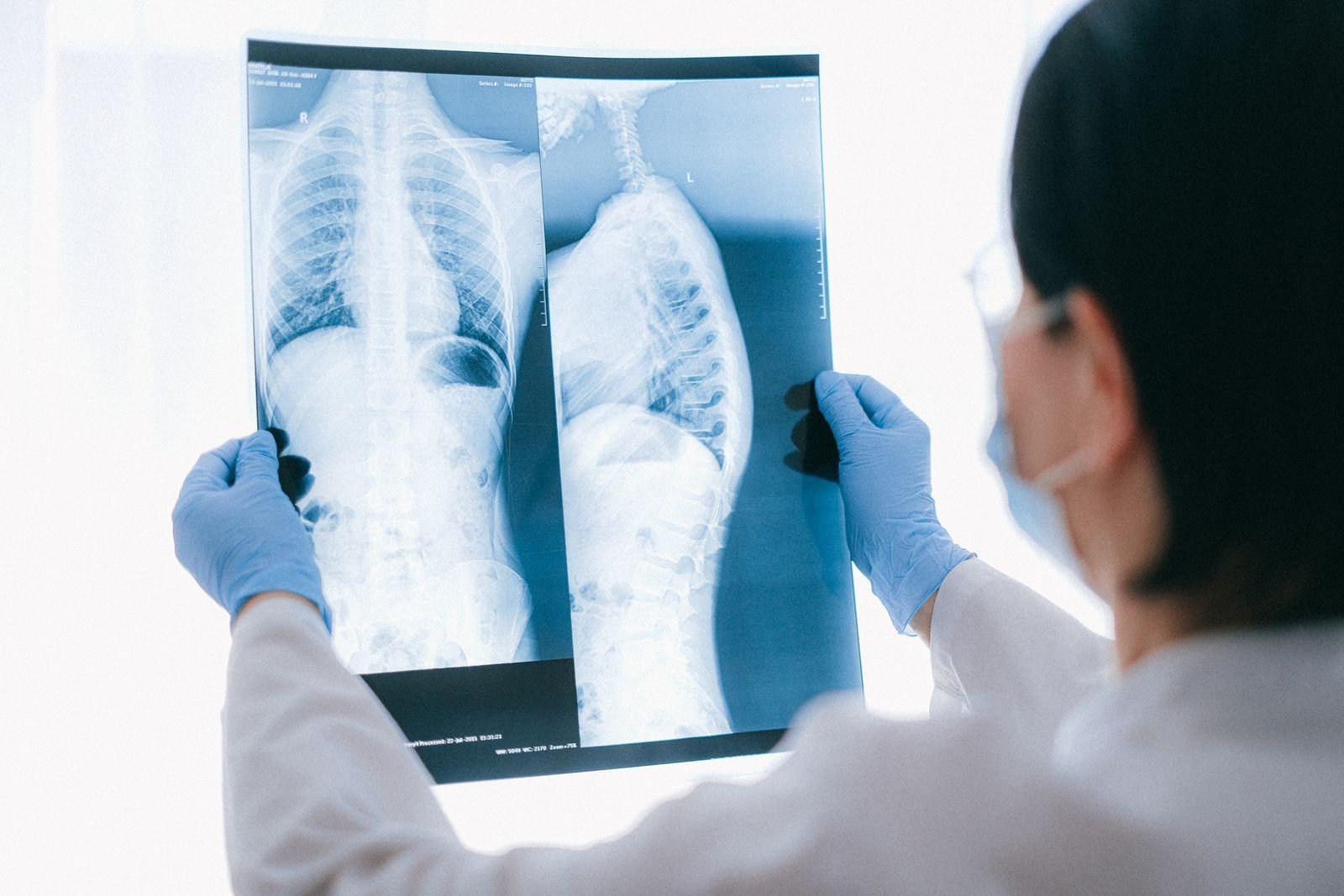
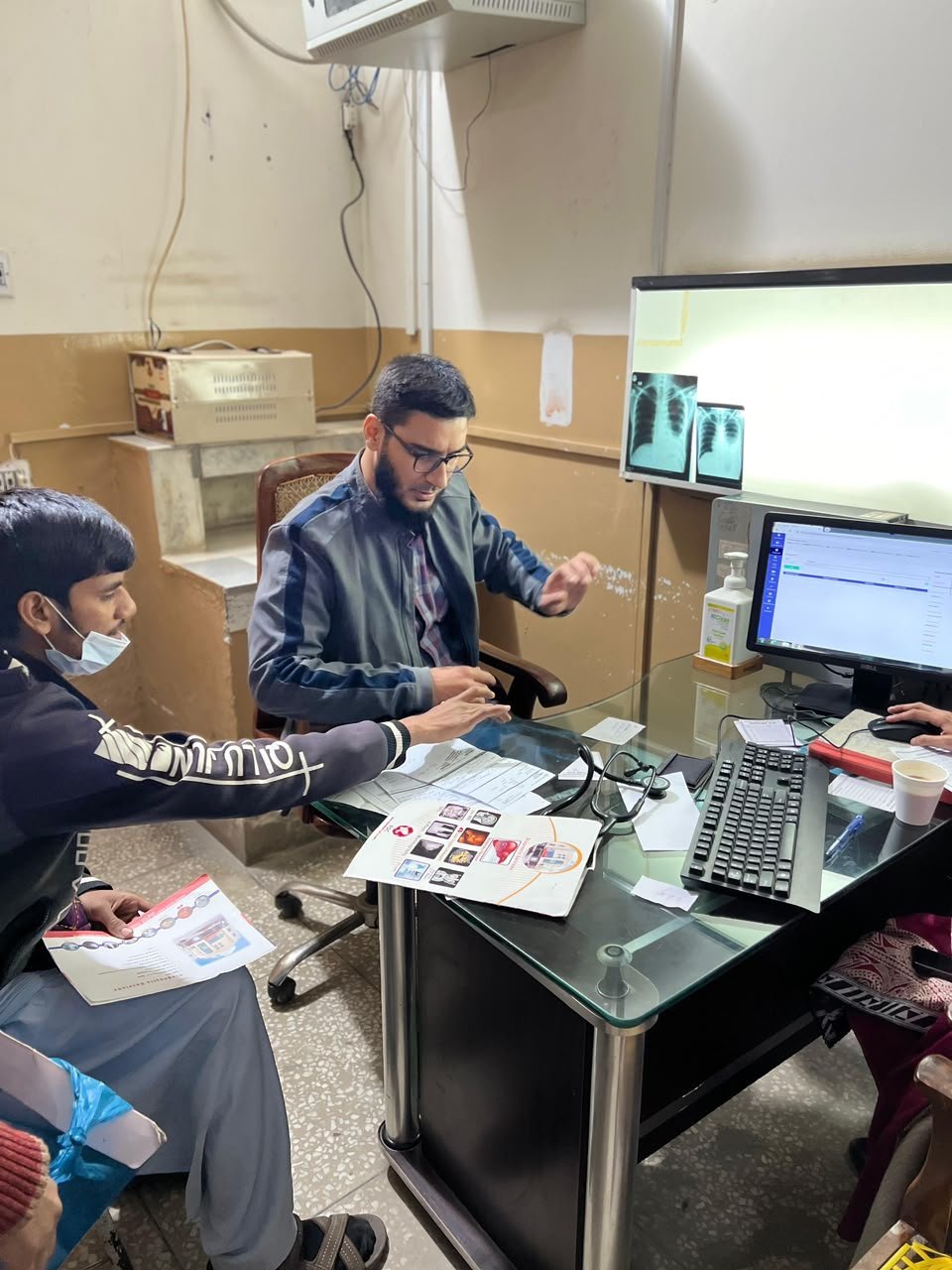
A chest specialist will ask about your symptoms, smoking and work history, examine your chest, and usually advise a chest X-ray and a breathing test (spirometry) to measure how well your lungs work.
Treatment that helps
- Quit smoking: the single most important step to slow the disease
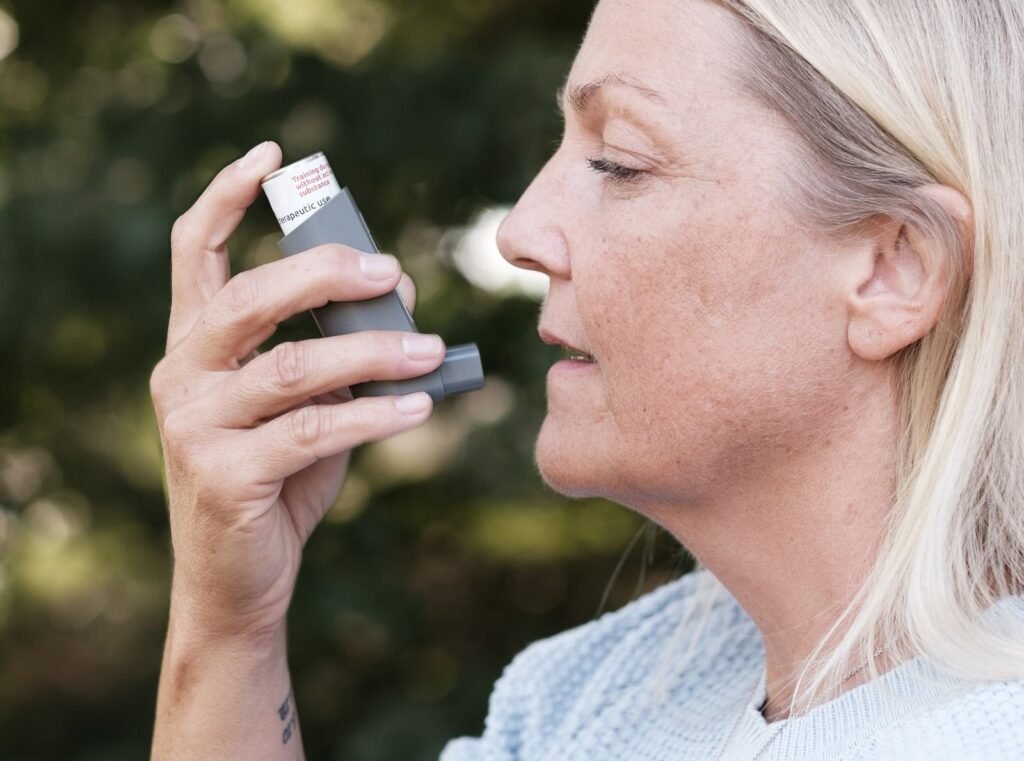
- Inhalers: bronchodilators open the airways, and some patients also need steroid inhalers
- Vaccines: yearly flu vaccine and pneumonia vaccine reduce serious infections
- Breathing exercises and staying active: pursed-lip breathing and regular walking improve stamina
- Oxygen or NIV: advised for some patients with advanced disease
Warning signs of a flare-up
- Breathlessness or cough clearly worse than usual
- Change in the colour or amount of phlegm
- Fever
- Needing your reliever inhaler much more often
Do not wait if breathing becomes difficult. Early treatment of a flare-up can prevent a hospital stay.
Living well with COPD
- Avoid smoke and dust, including cooking smoke, and use good ventilation
- Take inhalers exactly as advised and learn the correct technique
- Eat well and keep a healthy weight
- Visit your chest specialist regularly
This article is for general information. It does not replace a consultation with a doctor. If you have symptoms, please book an appointment.