Snoring is common, and not everyone who snores has a problem. But loud snoring, especially with pauses in breathing and daytime tiredness, can be a sign of obstructive sleep apnea (OSA). In this condition the airway repeatedly closes during sleep, so breathing stops for short periods many times a night.

Signs of sleep apnea
- Loud, regular snoring
- Pauses in breathing or choking and gasping during sleep, noticed by family
- Waking up with a dry mouth or headache
- Feeling very tired or falling asleep during the day
- Poor concentration and irritability
- High blood pressure that is hard to control
Who is at risk?
- People who are overweight
- Men and people over 40, although it can happen to anyone
- People with a thick neck, blocked nose or enlarged tonsils
- Those who smoke or drink alcohol before bed
Why it matters
Untreated sleep apnea strains the heart and is linked to high blood pressure, heart problems, stroke and diabetes. It also increases the risk of accidents because of tiredness.
How is it diagnosed?
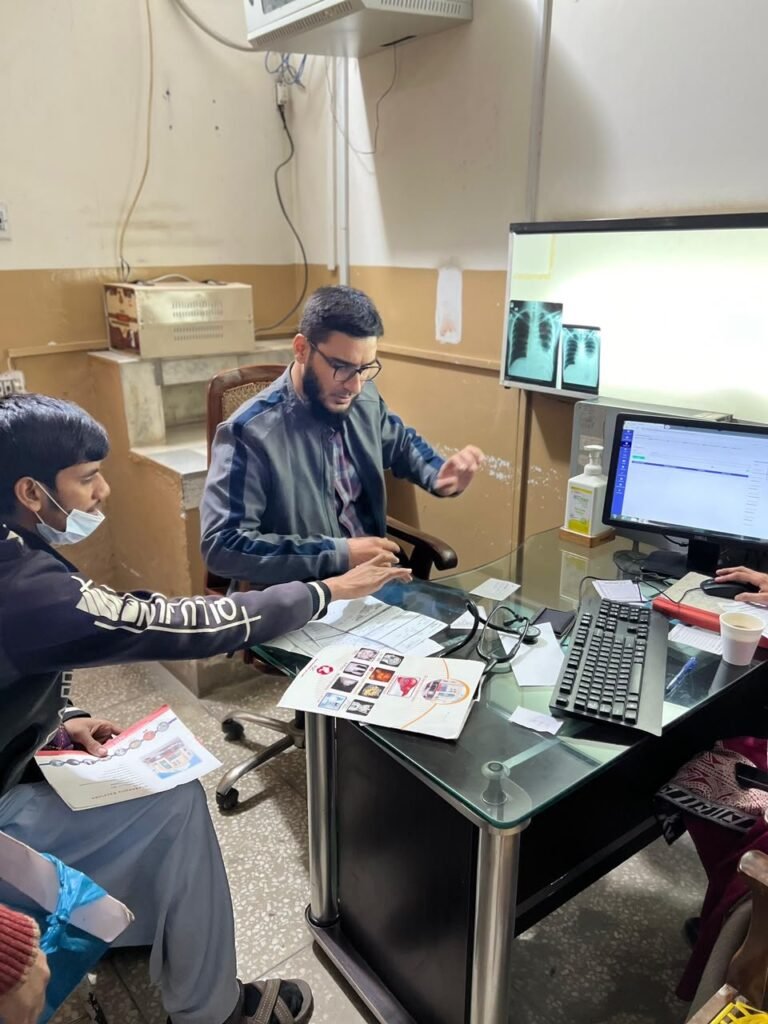
A chest specialist will ask about your symptoms and may suggest a sleep study, which records your breathing, oxygen level and heart rate overnight.
Treatment options
- Weight loss and lifestyle change: even a small weight loss helps
- Sleeping on your side and avoiding alcohol and sleeping tablets at night
- CPAP or BiPAP therapy: a mask that gently keeps the airway open during sleep
- Other options depending on the cause, such as treating a blocked nose
When to see a doctor
If you or your family notice loud snoring with breathing pauses, or you feel unrefreshed and sleepy every day, book a consultation for assessment.
This article is for general information. It does not replace a consultation with a doctor. If you have symptoms, please book an appointment.